What Is Backflow Testing and Why Is It Important for Your Water Safety?
Conor Crawford • June 25, 2025
What Is Backflow Testing and Why Is It Important for Your Water Safety?

Backflow is a hidden hazard to your house or business’s water supply. It can pollute drinking water and cause major health problems. So, what is backflow testing, and why is it important? Let us explain things in plain language, using real-life examples and practical guidance.
What is a Backflow Problem?
Backflow occurs when water flows in the opposite direction. Instead of bringing clean water into your house or building, polluted water from toilets, sprinkler systems, or industrial machinery might seep back into your pipes. You surely don’t want to face this fuss in your morning while having a cup of coffee.
How Does Backflow Occur?
Backflow is mainly caused by two primary conditions.
Backpressure
Backpressure occurs when the pressure within your plumbing system exceeds the water supply pressure. This can push unclean water back into clean water pipes.
Backsiphonage
Backsiphonage occurs when water pressure drops suddenly, such as when pipes rupture or firemen utilize a nearby hydrant. This generates a vacuum, which draws polluted water back into your system.
What Are the Risks of Backflow?
Health Hazards
Fertilizers, sewage, and industrial chemicals are all potential contaminants in your tap water. This is not only disgusting, but also hazardous.
Legal Consequences
Local codes frequently demand regular backflow testing. Ignoring these laws may result in significant penalties or utility shutoffs.
Property Damage
Contaminated water may erode pipelines and harm equipment. Resolving these difficulties can cost thousands of dollars.
Environmental Impact
Polluted water entering the public supply may have a wide-ranging impact on neighborhoods and ecosystems. Clean-up is not just expensive; it is also time-consuming and hazardous.
What Is Backflow Testing?
So, what is backflow testing exactly? It’s a way to see if your backflow protection equipment is operating properly. These devices prevent tainted water from accessing the pure supply.
What Are the Benefits of Backflow Testing?
Regular testing ensures that your drinking water is safe. It helps you prevent health problems, follow the law, and safeguard your property. It’s also a proactive technique to identify minor concerns before they become major ones.
Who Performs Backflow Testing?
You might ask, who does backflow testing? Only trained and licensed personnel may lawfully administer the test. They utilize specialized instruments to test and verify that your backflow prevention equipment is working properly.
Why Is Backflow Testing Required?
How Do You Know If You Need Backflow Testing?
If you have an irrigation system, fire sprinklers, or even a soda machine connected to your plumbing, testing may be required. Contact your local water authority to find out.
How Often Should Backflow Be Tested?
Most places require yearly testing; however, this varies according to local requirements and the sort of system you have. It is best to note your calendar.
What Happens If You Don't Get Your Backflow Tested?
Ignoring the requirement may result in penalties or the suspension of water service. And if contamination happens, you may be held accountable.
Where Is Backflow Testing Typically Required?
Commercial and Industrial Properties
These structures frequently have intricate plumbing systems, which raises the potential of pollution.
Irrigation Systems
Fertilizers and pesticides may quickly contaminate your drinking water if not properly stored.
Multi-Family Housing and Apartment Complexes
More people use more water, which increases the likelihood of anything going wrong.
Fire Suppression Systems
These systems are critical for safety, but they require regular monitoring to prevent backflow.
Residential Properties with Specific Installations
If you have a pool, hot tub, or decorative fountain, you may need to evaluate them on a regular basis.
How Is a Backflow Test Performed?
What Equipment Is Needed for Backflow Testing?
To measure water pressure and direction, testers utilize a gauge kit that includes hoses, adapters, and shut-off valves.
Step-by-Step Process of a Backflow Test
Inspection of the Backflow Prevention Assembly
The tester inspects for leaks, damage, and appropriate installation.
Shutoff Valve Testing
Valves are shut off to isolate the equipment and assure precise measurements.
Differential Pressure Testing
This stage examines pressure levels to ensure that the valve shuts properly under stress.
Recording and Certification
The results are documented, and if everything passes, the tester provides a certification report.
How Long Does a Backflow Test Take?
Most exams last 20 to 30 minutes. If repairs are required, it may take longer.
What Does It Mean If Your Backflow Test Fails?
Common Reasons for Backflow Test Failure
Common causes of backflow test failure include worn-out equipment, debris accumulation, and poor installation.
What To Do If Your Device Fails the Test
The technician will suggest repairs or replacements. After the problem is resolved, testing is conducted to guarantee compliance.
How Do You Prepare for Backflow Testing?
1. Locate the Backflow Prevention Device
Know where it is installed- it is generally near the water meter or an external wall.
2. Ensure Clear Access
Remove any barriers that may impede the tester’s access.
3. Inform the Property Occupants (If Applicable)
Inform renters or workers that there may be a minor water outage.
4. Schedule During Low Water Usage Hours
Choose a time that will cause little disturbance to everyday routines.
5. Have Previous Test Records Ready
Technicians may need to study previous reports to compare results.
6. Verify Water Service Shutoff Accessibility
Make sure that the shutdown valve is easily accessible and operable.
7. Confirm Certification of the Tester
Only qualified testers should conduct your examination to guarantee that it fulfills regulatory requirements.
Choose Local Plumbing for Backflow Services in San Rafael, CA
Now that you know what is backflow testing, why wait? Regular inspections are key to protecting your family, property, and community. Whether you’re unsure about how is a backflow test is performed or wondering why is backflow testing required, the answer is simple—it’s all about safety.
Local Plumbing specializes in certified backflow testing for residential, commercial, and industrial sites around San Rafael, California. When thinking who does backflow testing, contact our accredited specialists. We are well-versed in doing it correctly the first time.
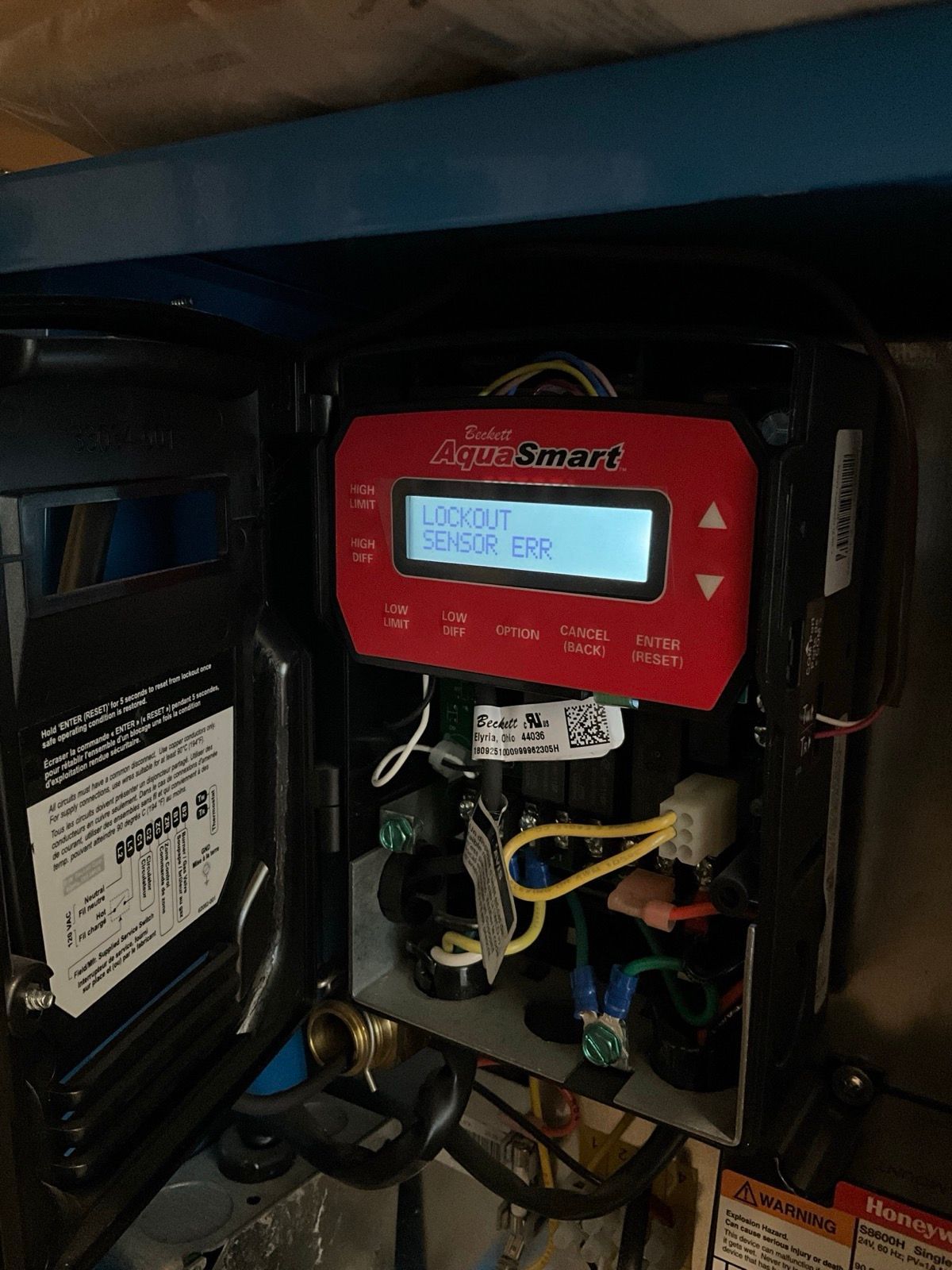
Turning a Novato boiler back on after it sat unused? A real job: a leak on restart, a failed low-water cutoff, and how we got it running. Call (415) 234-0370.
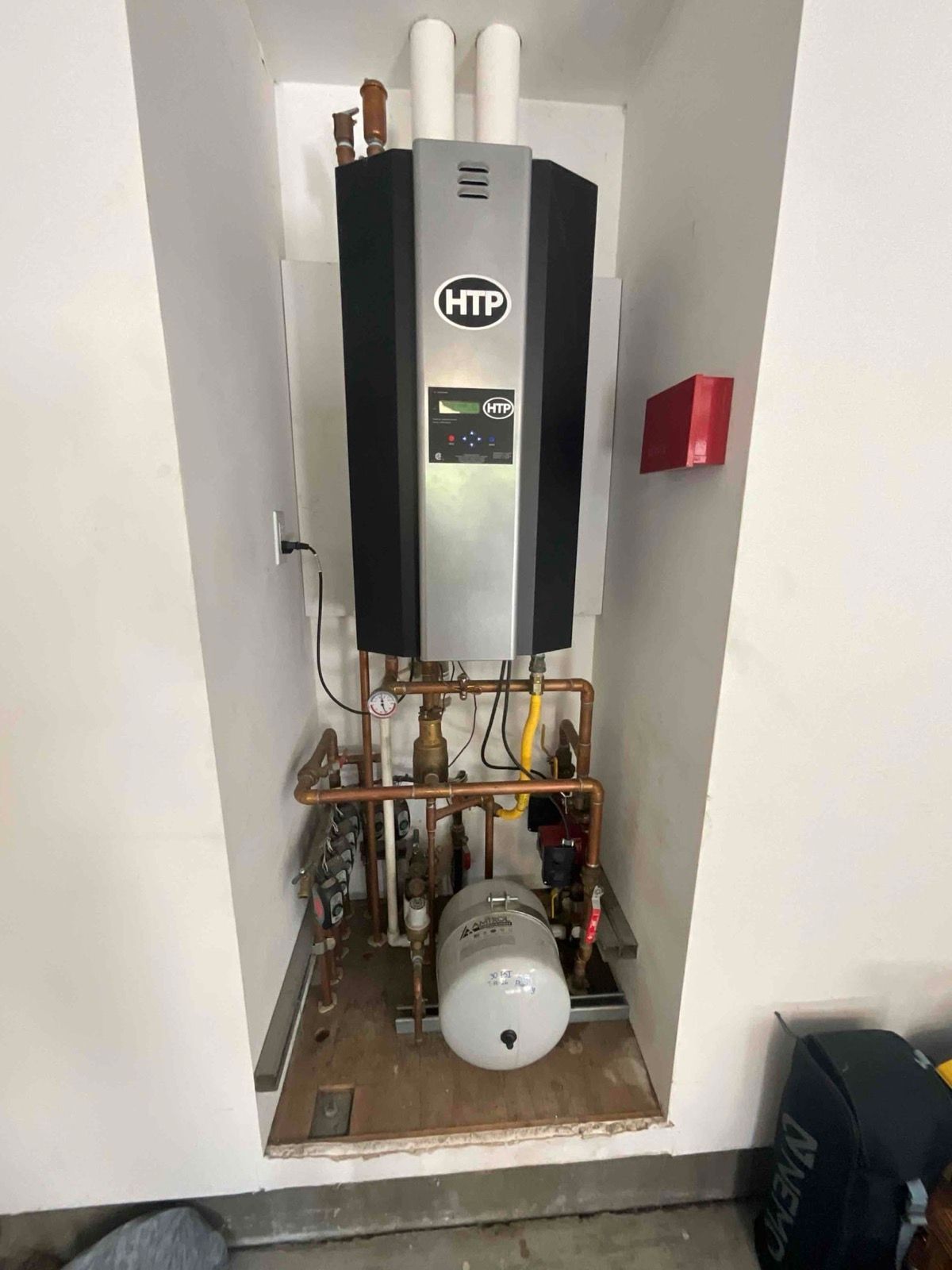
What a boiler service in Ross found on a 13-year-old boiler, the signs to watch for in Ross Valley homes, and when to plan a replacement. Call (415) 234-0370.
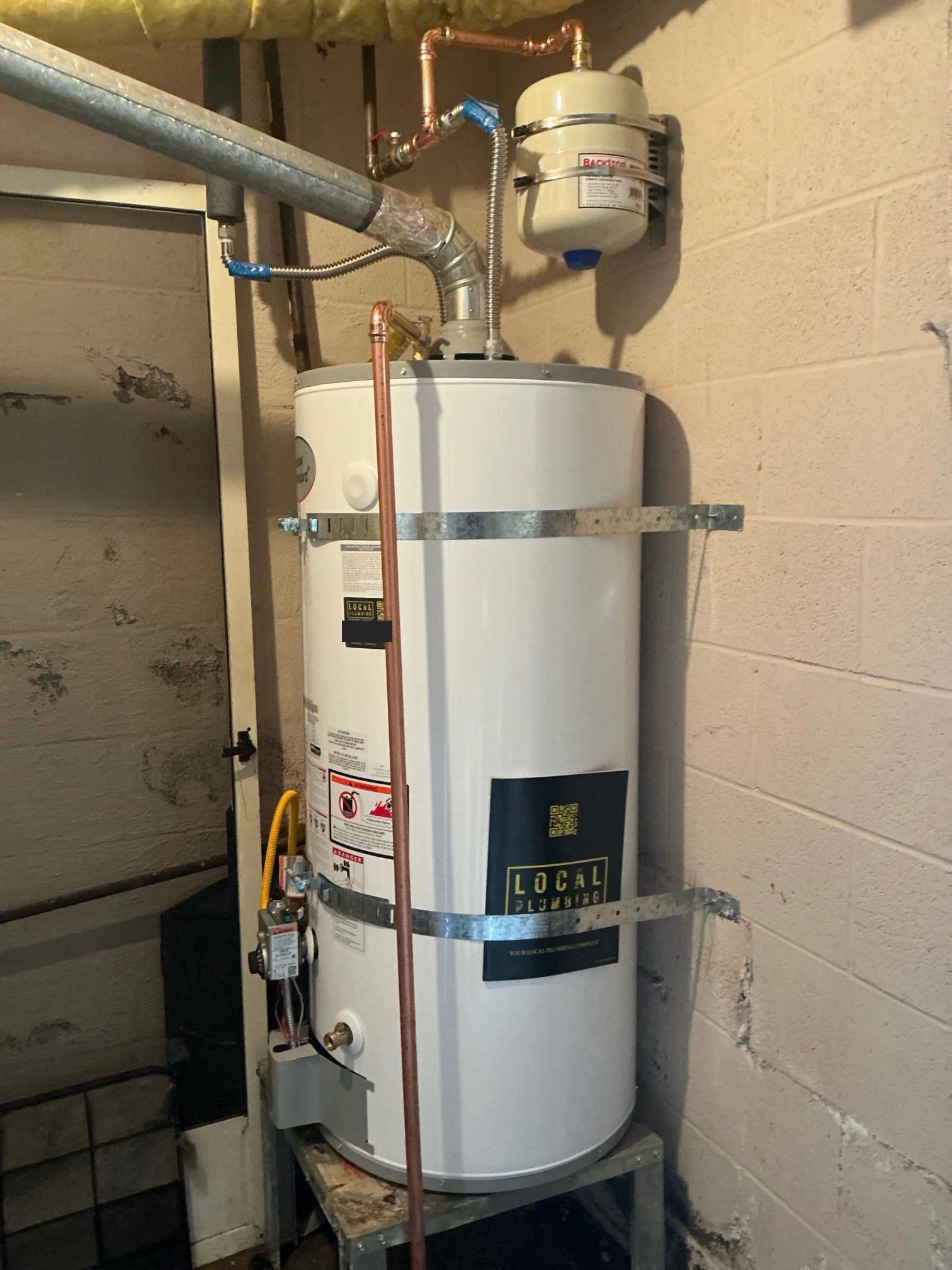
Water heater leaking in San Rafael? What to do first, repair vs replace, and your gas options before the 2028 Air District rule. Call or text (415) 234-0370.
The Bay Area gas water heater rule now starts Jan 1, 2028. What changed for Marin and Sonoma homes, exemptions, and your options. Call or text (415) 234-0370.
Propane boiler or radiant heat not working in Sebastopol or West County? Run-outs, regulators, lockouts and replacement options. Call or text (415) 234-0370.
Downstairs bathroom in a Sausalito hillside home? How sewage ejector pumps fail in storms and outages, and repair vs replace. Call or text (415) 234-0370.
Hot water running out in a Mill Valley home with a boiler? How indirect water heaters fail, repair vs replace, and Triangle Tube tanks. Call (415) 234-0370.
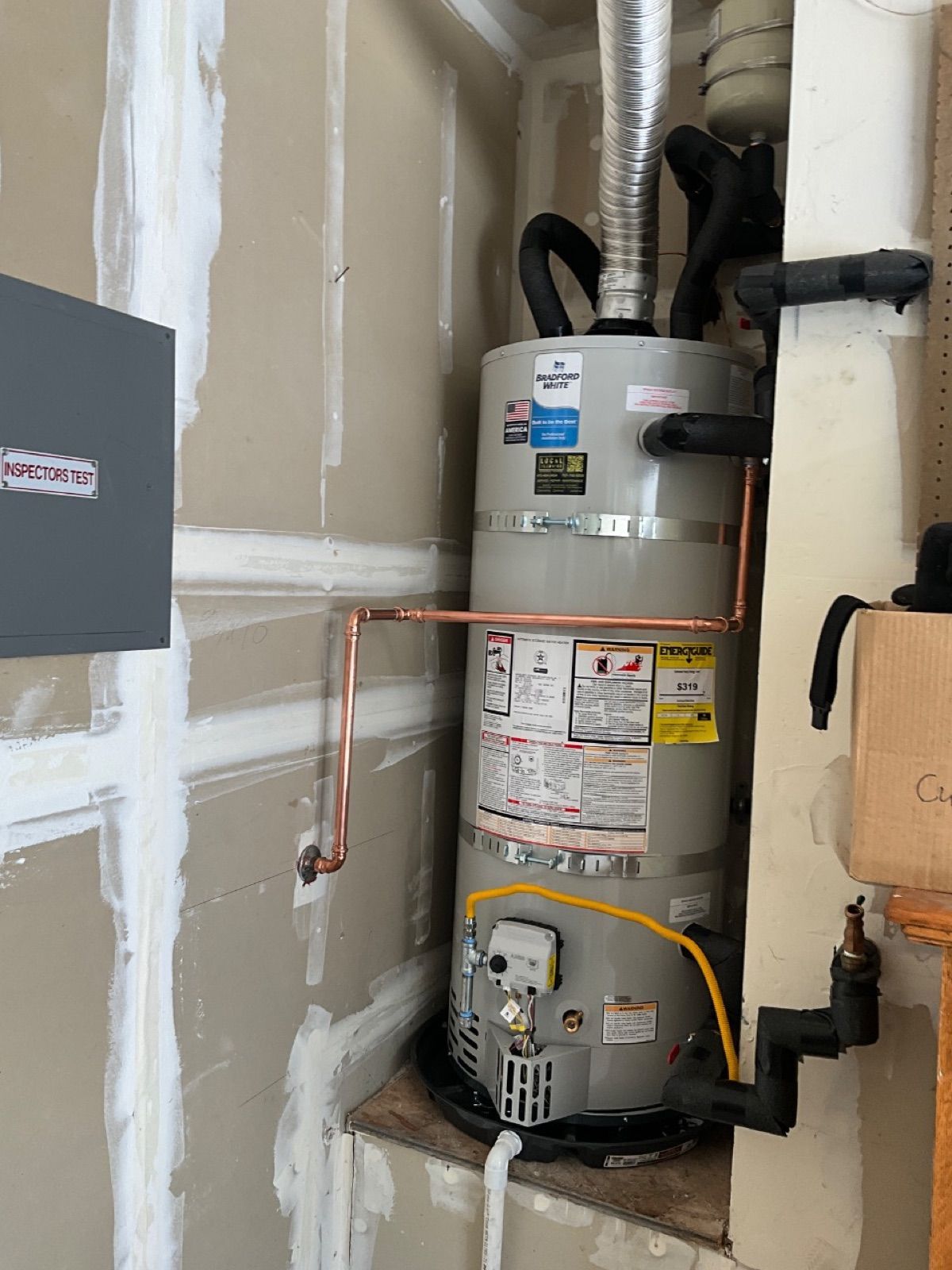
A real Novato job: an aging Apollo HydroHeat combo water heater replaced with a high-input Bradford White gas unit, permitted. Call or text (415) 234-0370.
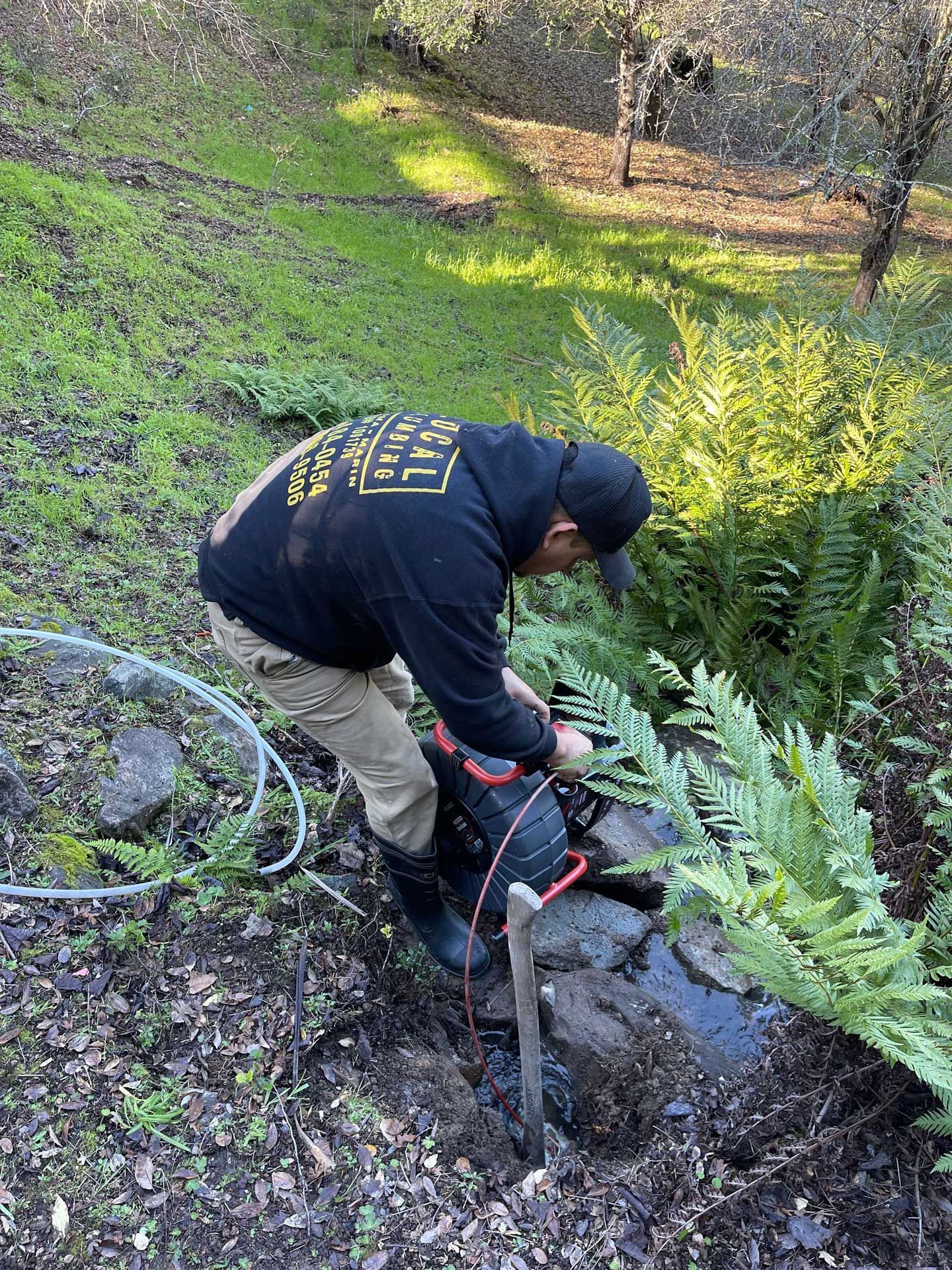
Sump pump repair and installation in Santa Rosa: test your pump, fix check valves, add alarms and battery backup before storms. Call or text (415) 234-0370.
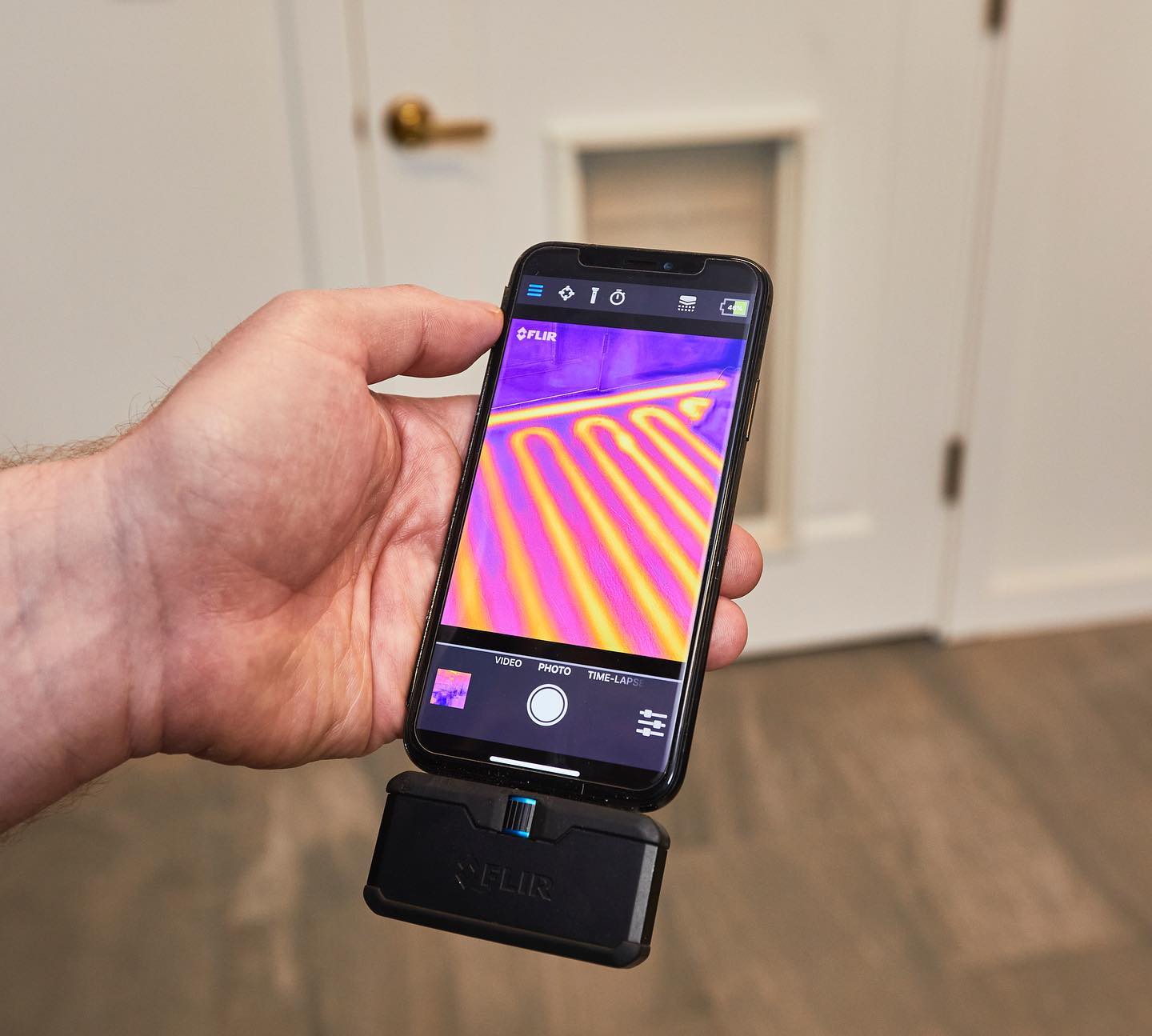
Radiant floor heating not working in San Anselmo? Cold zones, low boiler pressure, slab leaks and manifold problems explained. Call or text (415) 234-0370.