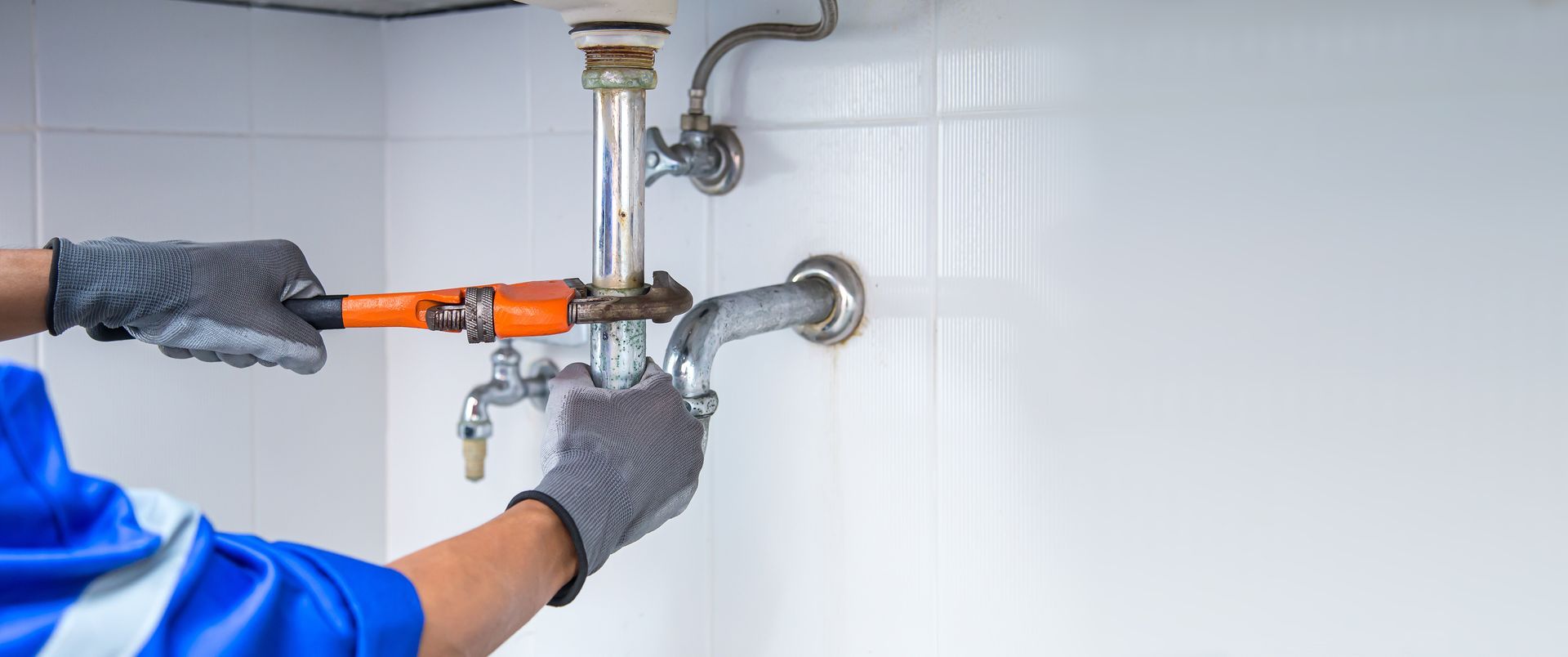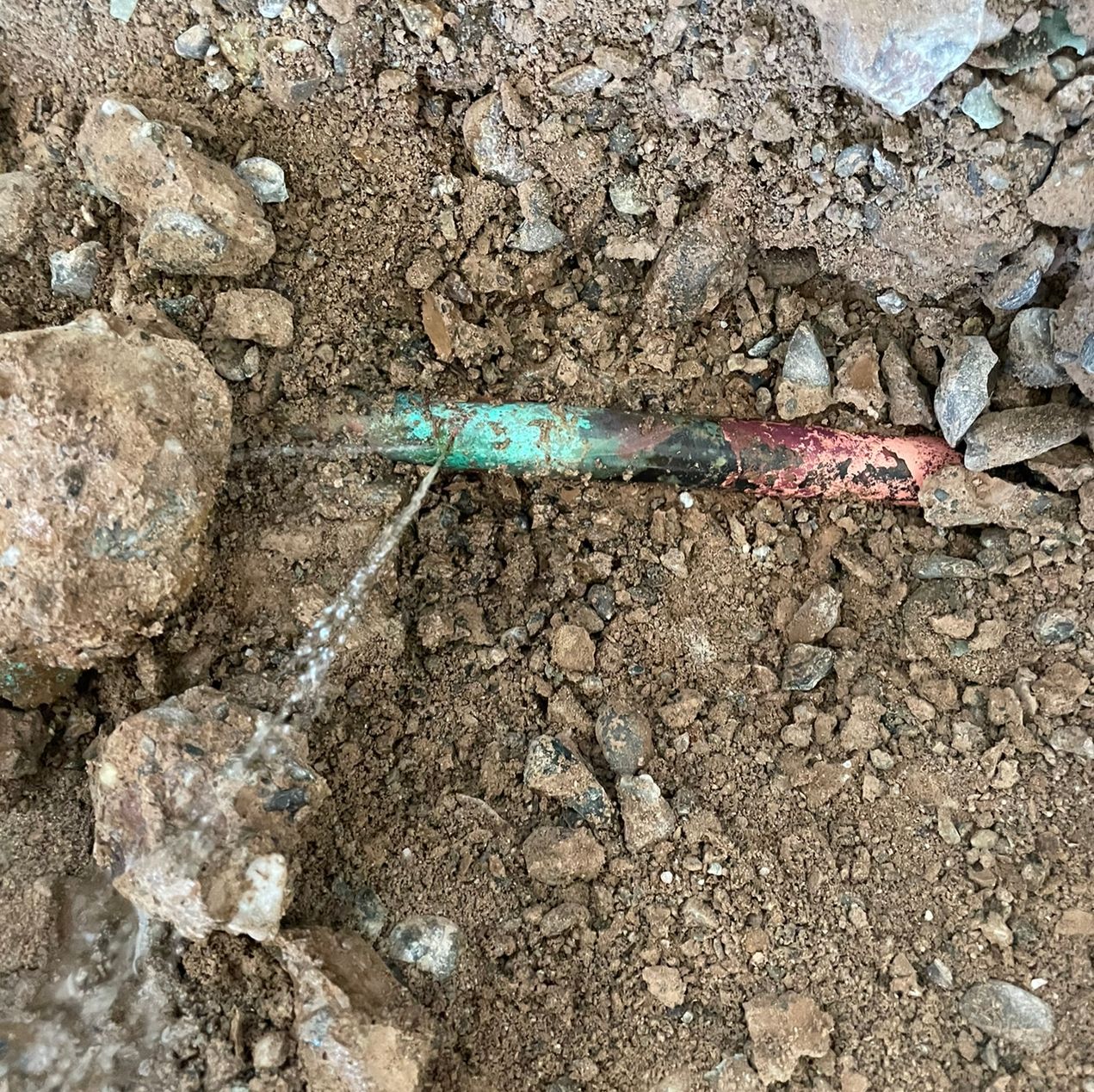
Why Is My Kitchen Sink Backing Up? Causes & Fixes
Conor Crawford • June 25, 2025
Why Is My Kitchen Sink Backing Up? Causes & Fixes
A kitchen sink backing up is one of the most frustrating issues a homeowner can face. You’re washing dishes, rinsing veggies, or cleaning up after a meal—and suddenly, dirty water backing up into the sink disrupts your routine. Worse, you may even notice kitchen sink water coming up from the drain when you’re not using it. You’re not alone if you’ve ever dealt with this messy situation.
In this blog, we’ll walk you through what causes a kitchen sink backing up, why you might experience kitchen sink backflow, and most importantly, what you can do to fix and prevent it.
What Does It Mean When Your Kitchen Sink Backs Up?
When you notice kitchen sink water coming up from the drain or water backing up into the sink, it usually means that something is blocking the normal flow of water through your plumbing. This blockage forces water to return or stay in the sink rather than draining away.
Sometimes, the problem affects only one side of a double sink. Other times, you may see your kitchen sink clogged both sides, which could indicate a deeper plumbing issue.
Common Causes of Kitchen Sink Backups
Clogged Drain Line
A clogged drain line is one of the most common reasons for a kitchen sink backing up. Over time, things like food particles, grease, and soap scum can build up inside your pipes, reducing water flow.
Grease, Food Scraps, and Soap Scum Buildup
Pouring grease down your drain is a recipe for disaster. As it cools, it solidifies, sticking to the inside of pipes. Add food scraps and soap residue into the mix, and you’ve got a sticky mess that slows drainage and causes kitchen sink backflow.
Blocked Garbage Disposal
If you have a garbage disposal, it could be the culprit. When it’s jammed or clogged, it prevents water from draining correctly and can cause water backing up into the sink.
Plumbing Vent Issues
Your plumbing system uses vents to allow air into the pipes. If these vents are blocked, it can create pressure problems that lead to kitchen sink water coming up or slow draining.
Main Sewer Line Blockage
A serious issue like a blocked main sewer line can lead to a full kitchen sink backing up. In some cases, you might see backflow in the kitchen and other drains throughout your home.
Kitchen Sink Clogged on Both Sides — What It Indicates
When your kitchen sink is clogged both sides, it often means the blockage is deeper in the drain system—possibly where both sink sides meet in a single pipe. This situation usually requires more than just surface-level cleaning.
What Causes Kitchen Sink Backflow or Water Coming Up?
If you’re seeing kitchen sink water coming up when you’re not even using the sink, it’s a sure sign of kitchen sink backflow. This usually happens when there’s a blockage or air pressure issue somewhere in your drain or vent system.
Can Backflow Be a Sign of a Bigger Plumbing Issue?
Yes, definitely. If left untreated, kitchen sink backflow could indicate bigger problems like a damaged sewer line or major blockage in your plumbing system. It’s always better to catch these early before they become expensive fixes.
Don't Ignore Kitchen Sink Backups, Call Local Plumbing
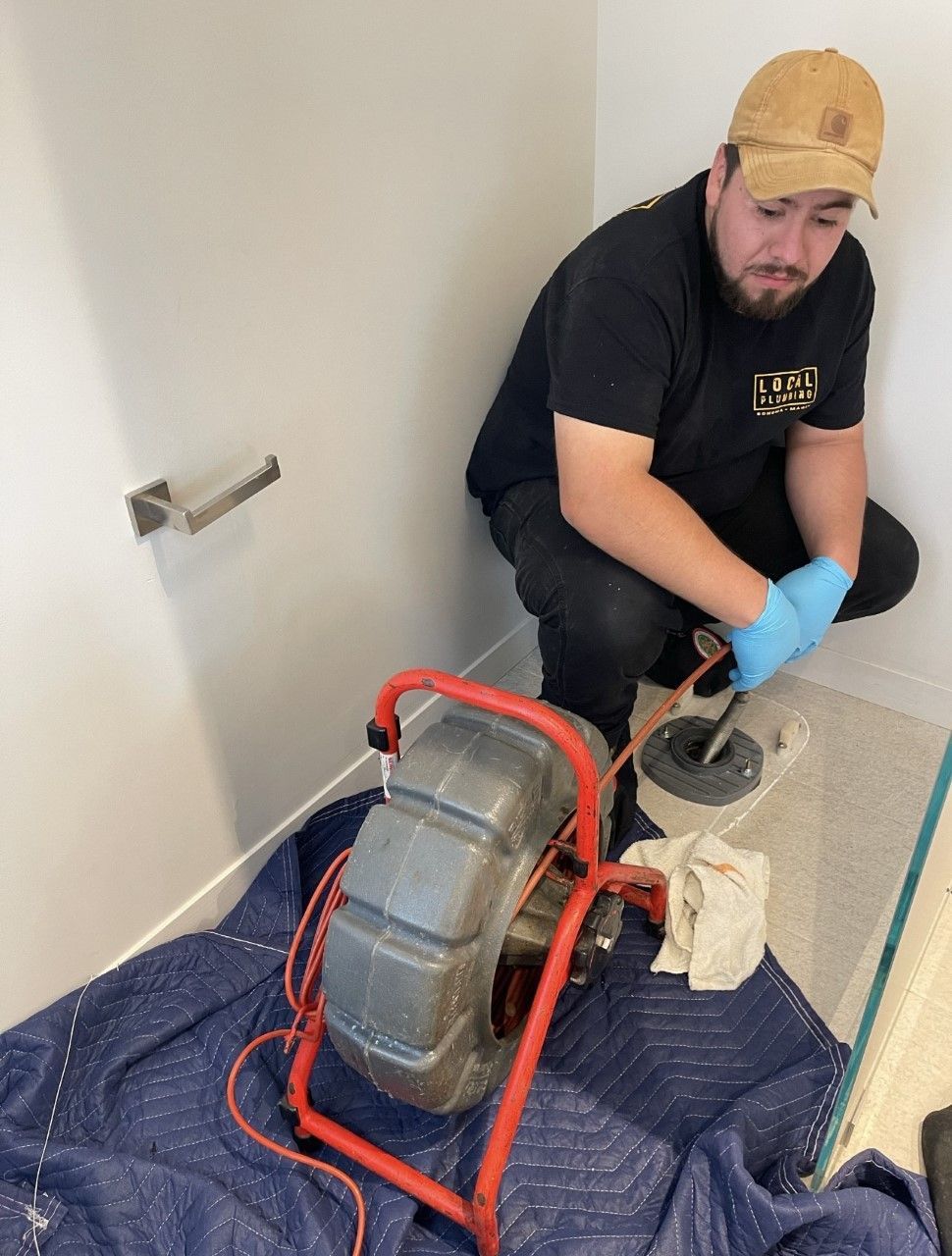
If you’re dealing with a kitchen sink backing up and nothing seems to work, it’s time to call in the pros. At Local Plumbing, we understand how frustrating and messy this problem can be. Our expert technicians are trained to find the root of the issue—a minor clog or a major sewer line blockage—and fix it quickly and safely.
We’re here to take the stress out of your day and get your sink (and life) flowing smoothly again. Don’t wait until that kitchen sink water comes up and turns into a full-blown flood. Contact us at Local Plumbing today, and let us handle it with care.
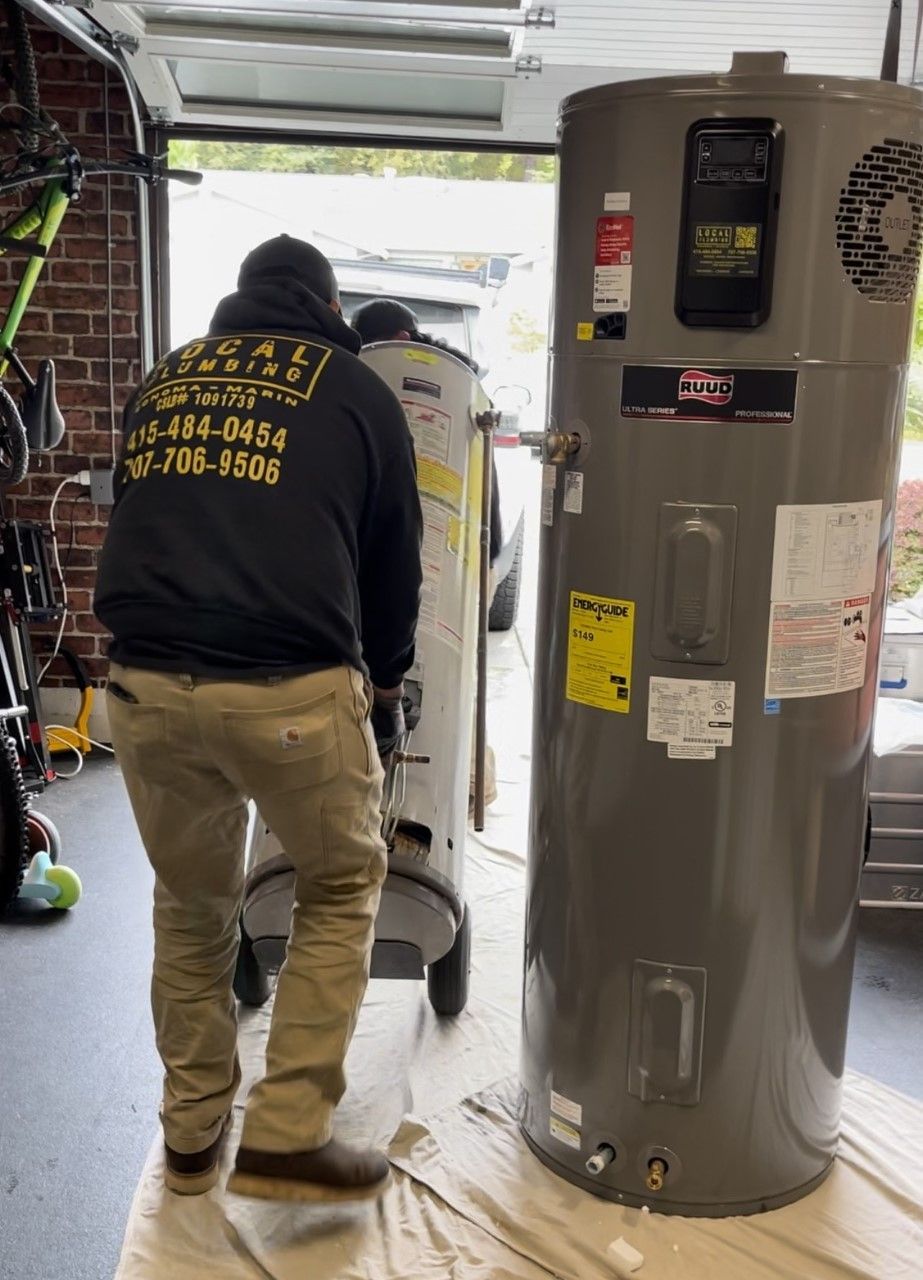
If you’ve heard that gas water heaters are being banned in California in 2027, you’re not alone. At Local Plumbing, we’re already getting weekly calls from homeowners in San Rafael, Mill Valley, Novato, Tiburon, and across Marin County asking: “Do I need to replace my gas water heater right now?” “Will I be forced to go electric?” “What happens if mine breaks after 2027?” Let’s break it down clearly — no fluff, no politics — just real-world guidance from a local plumbing company that installs these systems every day. Is California Banning Gas Water Heaters in 2027? Short answer: Yes… but not exactly how people think. Starting January 1, 2027, new regulations in the Bay Area will require: All newly installed residential water heaters to meet ultra-low (zero) NOx emissions standards In reality, this means: Traditional gas water heaters will no longer be allowed in most replacement situations Electric systems — especially heat pump water heaters — will become the standard The Biggest Misconception (Important) Let’s clear this up right away: You do NOT have to remove your existing gas water heater There is: No forced removal No retroactive ban No inspections coming to your house You can keep your current system running as long as it works. What Happens When Your Water Heater Fails After 2027? This is where things change. If your gas water heater fails after 2027, you will likely: NOT be allowed to replace it with another gas unit Be required to install: A heat pump water heater (most common) Or another approved electric system This is why people are calling it a “ban” — because the change happens at replacement, not before. How This Impacts Marin County Homes Marin homes present some unique challenges: 1. Electrical capacity issues Many homes in: San Anselmo Fairfax Mill Valley …have older panels that may not support a heat pump water heater without upgrades. 2. Tight install spaces Closets Garages with low clearance Under-stair installs Heat pump units are: Larger Require airflow Need condensate drainage 3. Higher upfront costs (but rebates help) Typical comparison: Type Installed Cost Gas tank (today) $3,500–$6,500 Heat pump water heater $6,500–$12,000 BUT: Marin County homeowners may qualify for $2,000–$5,000+ in rebates Lower operating costs over time What About Tankless Water Heaters? This is a big question we get. Gas tankless water heaters (Navien, Rinnai, etc.) are also affected After 2027: New gas tankless installs will likely not be permitted (but not confirmed) Electric tankless is usually not viable in Marin homes due to electrical demand This makes heat pump systems the primary replacement path Timeline: What’s Coming Next 2027 → Residential water heaters affected 2029 → Gas furnaces likely impacted Early 2030s → Broader electrification across homes This is part of California’s long-term push toward building electrification. Should You Replace Your Water Heater Before 2027? This depends on your situation. Consider replacing early if: Your unit is 8–12+ years old It’s showing signs of failure You want a simple like-for-like gas swap Your home is not ready electrically Wait if: Your system is newer and reliable You’re planning a remodel You want to take advantage of: Rebates Newer heat pump technology Local Plumbing’s Recommendation (Real-World Advice) At Local Plumbing, here’s how we’re advising Marin homeowners: Don’t panic — but do plan The worst-case scenario is: 🚨Your water heater fails unexpectedly in 2027 🚨You’re forced into a rushed, expensive electric upgrade Instead, we recommend: ✔ Evaluate your current system lifespan ✔ Assess your electrical panel capacity ✔ Create a planned replacement strategy Why This Matters for Marin Homeowners This isn’t just a regulation — it’s a shift in how homes are built and serviced. And in Marin County specifically: Older housing stock Higher installation costs Strict permitting This transition needs to be handled correctly the first time FAQ: Gas Water Heater Ban (Marin County) Can I still repair my gas water heater after 2027? Yes — repairs are still allowed. Can I install a used or existing gas unit? No — new installations must meet emissions standards. Are there exemptions? Possibly — for: Electrical limitations Certain property types Hardship cases (These are still evolving) Are heat pump water heaters worth it? Yes — when installed correctly. But they must be: Properly sized Installed in the right location Matched with your home’s electrical system Final Thoughts 👉 Gas water heaters aren’t being “ripped out” in 2027 👉 But they are being phased out at replacement For Marin homeowners, this means: ⚠️ Planning ahead is critical 💰 Costs and logistics will change 🔌 Electrical readiness matters more than ever Need Help Planning Your Upgrade? If you’re in: San Rafael, Mill Valley, Novato, Tiburon, Larkspur, Fairfax, or anywhere in Marin County Local Plumbing can help you: Evaluate your current water heater Plan for 2027 compliance Install gas (while still allowed) or heat pump systems Maximize available rebates Call or text Local Plumbing today Local Plumbing is your local Marin plumber
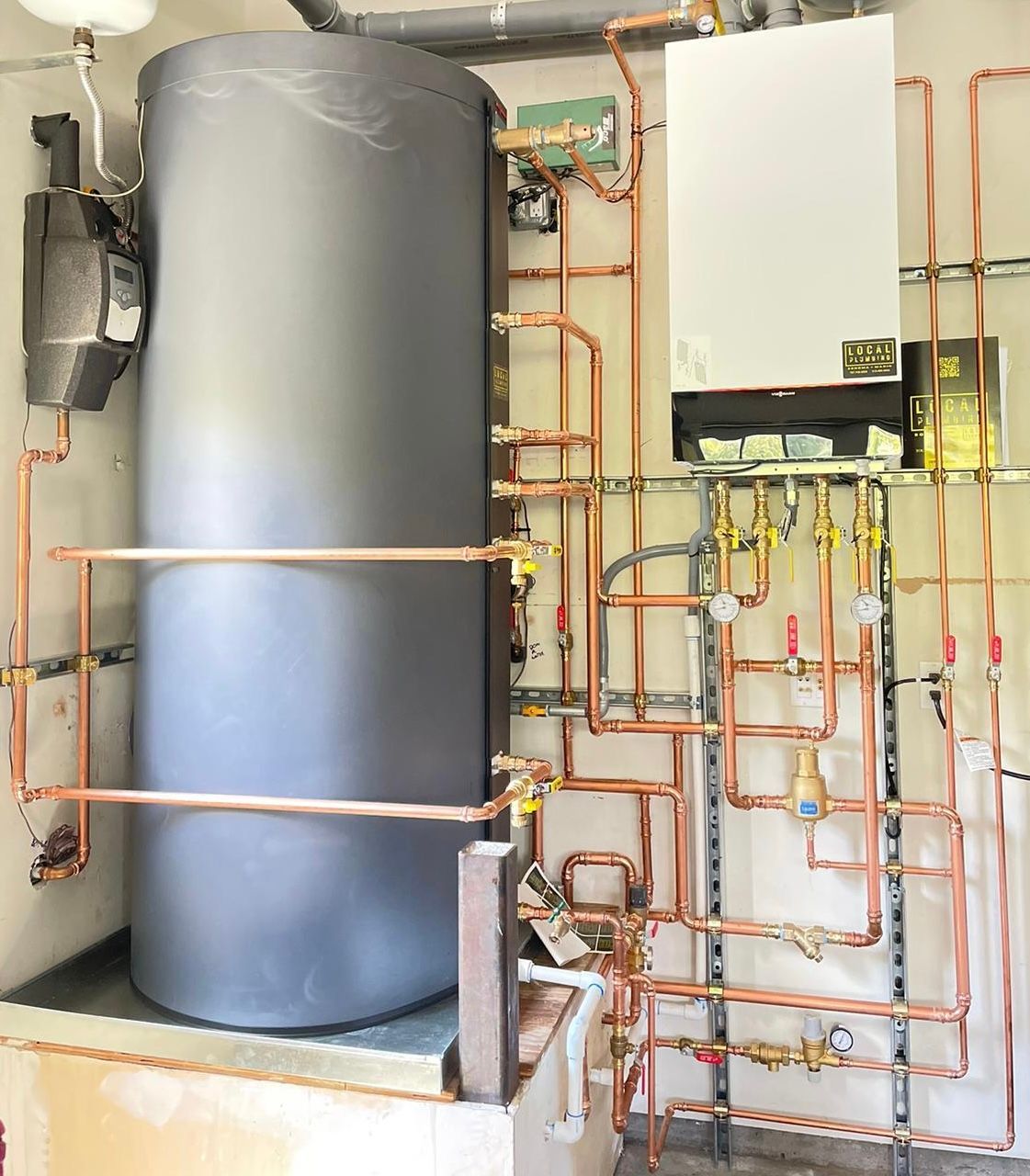
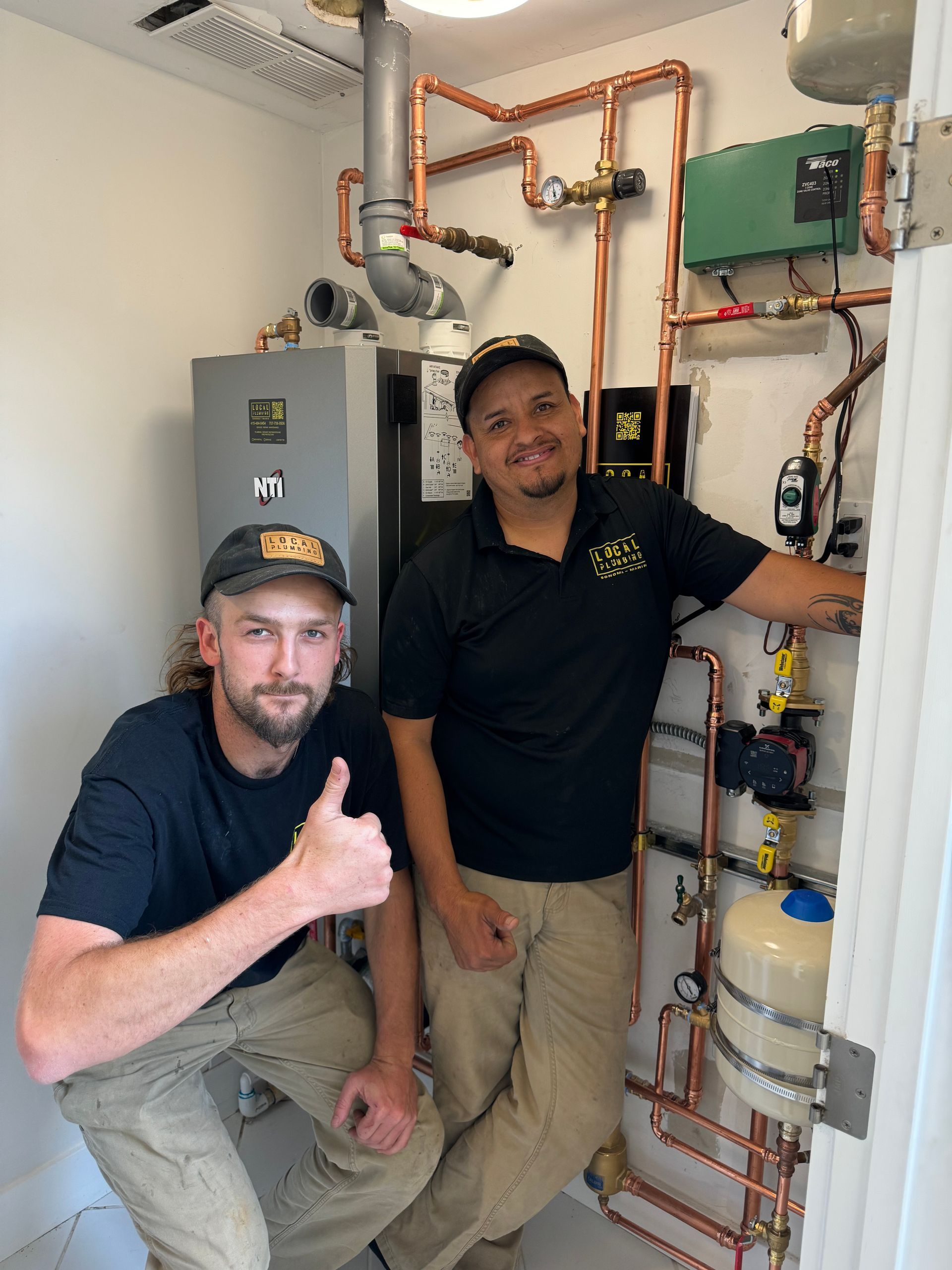
When your boiler stops working, it’s not just inconvenient — it can shut down your entire home’s comfort system. At Local Plumbing, we specialize in professional boiler service and repairs throughout Marin County, including San Rafael, Mill Valley, Tiburon, Sausalito, Novato, and surrounding areas. Whether you have a modern high-efficiency condensing boiler or an older cast-iron unit, we diagnose it properly and fix it the right way. Why Boiler Service Is So Important Boilers are different from forced-air systems. They’re pressurized, sealed hydronic systems that require trained technicians to maintain safely and efficiently. Annual service prevents: Loss of efficiency (higher gas bills) Circulator pump failures Air lock issues in radiant systems Ignition and flame sensing problems Heat exchanger damage Leaks at relief valves or expansion tanks Carbon monoxide risks In Marin County, especially in older homes like Eichlers or custom homes with radiant slab heating, neglected boilers can cause serious repair costs if not maintained. Signs Your Boiler Needs Repair Call us if you notice: No heat or uneven heat in zones Boiler making banging or kettling noises Radiant floors not warming properly Pressure dropping below 12 PSI Relief valve dripping Error codes on Navien, NTI, Viessmann, Lochinvar, etc. Pilot light or ignition failure Sudden spike in gas bills Many “no heat” calls we respond to are small issues caught too late — failed sensors, dirty flame rods, or clogged condensate traps. Boilers We Service We regularly service and repair: NTI TRX Series Navien NHB & NCB Lochinvar Noble & Knight Viessmann Vitodens Rinnai boilers Triangle Tube (legacy systems) Munchkin boilers Cast iron Weil-McLain & Burnham If it’s hydronic — we work on it. What’s Included in Our Boiler Service Our full boiler maintenance service includes: ✔ Combustion Analysis We use a combustion analyzer to dial in proper gas-to-air ratio for maximum efficiency and safety. ✔ Heat Exchanger Cleaning Condensing boilers require proper cleaning to prevent efficiency loss and corrosion. ✔ Condensate System Inspection We clean traps and neutralizers to prevent blockages. ✔ Expansion Tank Testing A failed expansion tank can cause pressure spikes and relief valve discharge. ✔ Circulator & Zone Check We test pumps, zone valves, and controls to ensure even heat distribution. ✔ Safety Component Verification We test pressure relief valves, flame sensors, ignition systems, and safety shutoffs. ✔ Radiant System Inspection We check manifolds, air separators, pressure levels, and glycol if present. Emergency Boiler Repair in Marin If your boiler fails in the middle of winter, we provide fast response throughout: San Rafael Mill Valley Tiburon Corte Madera Larkspur Sausalito Novato We stock common repair parts for the systems most commonly installed in Marin homes. When Is It Time to Replace Instead of Repair? We’ll give you honest advice. Replacement may make more sense if: Boiler is 15–20+ years old Heat exchanger is cracked Parts are discontinued Major control board failure on an aging unit Repeated service calls We specialize in high-efficiency condensing boiler replacements and can evaluate whether repair or replacement makes better financial sense. Why Marin Homeowners Choose Local Plumbing Licensed C-36 Plumbing Contractor Hydronic specialists (not just general plumbers) Combustion analysis on every service Experience with radiant slab systems Local warehouse & training facility in San Rafael Clean, uniformed, professional technicians We don’t “just show up and reset the boiler.” We diagnose root causes. Boiler Service FAQs How often should I service my boiler? Once per year minimum. High-efficiency condensing boilers absolutely require annual cleaning. How long does boiler service take? Typically 2-3hrs, depending on system condition. Does boiler service improve efficiency? Yes. Dirty heat exchangers and poor combustion tuning can increase gas consumption significantly. Is boiler maintenance required for warranty? Most manufacturers require documented annual maintenance. Schedule Your Boiler Service Today If your boiler hasn’t been serviced in the past 12 months, now is the time. Serving Marin County homeowners with expert hydronic knowledge and real diagnostics — not guesswork. Local Plumbing Your Local Marin Boiler Experts Call today to schedule service.

If you recently received a “Notice to Install Backflow Prevention Assembly” from Marin Municipal Water District (MMWD) — you are not alone. MMWD is actively issuing letters to residential and commercial property owners throughout Marin County requiring the installation of an approved reduced pressure (RP) backflow preventer at the water meter or hazard connection point. If you own property in: San Rafael, Mill Valley, Sausalito, Tiburon, Belvedere, Corte Madera, Larkspur, Kentfield, Ross, San Anselmo, Fairfax, Novato, Greenbrae, Strawberry, Woodacre, Lagunitas, Forest Knolls, Point Reyes Station, Inverness, Stinson Beach, Bolinas, Olema, Nicasio, Marshall, Tomales, Dillon Beach, or anywhere in Marin — this applies to you. Let’s break down exactly what this letter means, why you’re receiving it, and how to stay compliant. Why Is MMWD Requiring Backflow Prevention? Under California Code of Regulations (Titles 17 & 22) and the California Plumbing Code, water districts are required to protect the public drinking water system from contamination. Backflow occurs when water flows in the wrong direction due to: Back-siphonage (pressure drops in the main) Backpressure from equipment on private property Irrigation systems Fire sprinkler systems Boilers and hydronic heating systems Commercial plumbing equipment Cross-connections To prevent contamination, MMWD requires installation of an approved Reduced Pressure (RP or RPZ) backflow prevention assembly. This is not optional once you receive the letter. What The MMWD Letter Typically Requires Based on current enforcement letters being sent across Marin County, property owners must: Install an MMWD-approved reduced pressure backflow preventer Install it at the water meter (or designated hazard location) Ensure proper clearance for testing and maintenance Have it tested immediately after installation Submit results via MMWD’s reporting system Test the device annually thereafter Complete installation before the listed deadline Failure to comply can result in water service issues or enforcement action. Important MMWD Installation Requirements (That Many Contractors Miss) The MMWD standard installation diagram contains strict requirements. A non-compliant installation will fail inspection or testing. Key requirements typically include: Must Be Installed On Customer Property Backflow assemblies must be installed downstream of the water meter on the customer’s side. No Connections Between Meter and Backflow MMWD generally prohibits: Tees Unions Hose bibs Bypass piping Strainers PRVs before the assembly (unless specifically approved) The line must go directly from meter to backflow assembly. ✔ Proper Clearance Assemblies must have: Minimum clearance around the device (commonly 12") Adequate space for certified tester access Installation height typically between 12"–30" above finished grade ✔ Approved Assembly Only The device must be on MMWD’s approved list. ✔ Annual Testing Required Once installed, the assembly becomes part of the District’s compliance program. Why So Many Marin Property Owners Are Getting Letters Over the last few years, water districts across California have increased cross-connection enforcement. In Marin specifically, letters are often triggered by: Irrigation systems tied into domestic water Fire sprinkler systems Hydronic heating systems with fill connections Commercial tenant improvements Property sales and surveys Cross-connection inspections Many older homes in San Rafael, Mill Valley, Kentfield, and Ross were never originally required to install an RP — enforcement is catching up. How Much Does Backflow Installation Cost in Marin County? Costs vary depending on: Size of water service Meter box configuration Need for concrete or asphalt cutting Bollard protection (if in driveway or parking area) Relocating PRV after backflow Accessibility constraints In Marin County, residential installations commonly range from moderate to significant investment depending on conditions, while commercial properties vary widely. The key is installing it correctly the first time. Backflow Installation in Marin County – Town By Town Local Plumbing installs MMWD-compliant RP backflow assemblies throughout: Central Marin San Rafael Corte Madera Larkspur Kentfield Greenbrae Ross San Anselmo Fairfax Southern Marin Mill Valley Sausalito Tiburon Belvedere Strawberry Marin City Northern Marin Novato Nicasio West Marin Point Reyes Station Inverness Olema Stinson Beach Bolinas Woodacre Lagunitas Forest Knolls Marshall Tomales Dillon Beach Each town presents unique site challenges — from hillside properties in Mill Valley to tight meter boxes in Tiburon to coastal corrosion in Stinson Beach. What Happens After Installation? Immediately after installation: A certified tester must test the assembly. Results must be submitted to MMWD. You’ll enter the annual testing cycle. We recommend setting calendar reminders so you don’t receive violation notices. Frequently Asked Questions Do I really need this if my neighbor doesn’t have one? If you received a letter, yes. Enforcement is based on survey findings and hazard classification. Can I install a cheaper double check valve? Not if MMWD requires a Reduced Pressure (RP) assembly. Will this reduce my water pressure? It can slightly affect pressure depending on existing conditions. A proper system evaluation prevents performance issues. Is this required for residential homes? Yes — many single family homes are now receiving letters. Why Choose Local Plumbing For Backflow Installation? Local Plumbing specializes in: Code-compliant installations Clean meter re-piping Proper clearance layouts Coordination with certified testers Pressure regulator integration Marin County permitting familiarity Commercial and residential experience We install systems that are: Clean Serviceable Built to pass inspection Designed for long-term reliability Received an MMWD Backflow Letter? Don’t Wait. Deadlines matter. Testing schedules fill quickly. If you’ve received a notice to install a reduced pressure backflow preventer at your Marin County property, contact Local Plumbing today. We’ll: Review your MMWD letter Confirm exact requirements Provide a clear installation plan Ensure compliance before your due date Local Plumbing Your Local Marin Plumber Backflow Prevention • Boiler Systems • Water Services • Code Compliance Serving All of Marin County