
Boiler Repair in Glen Ellen: Get Your Radiant Heat Ready Before the Cold Sets In

Conor Crawford • September 29, 2026

Fill valves, low pressure, and no hot water: what to fix before winter
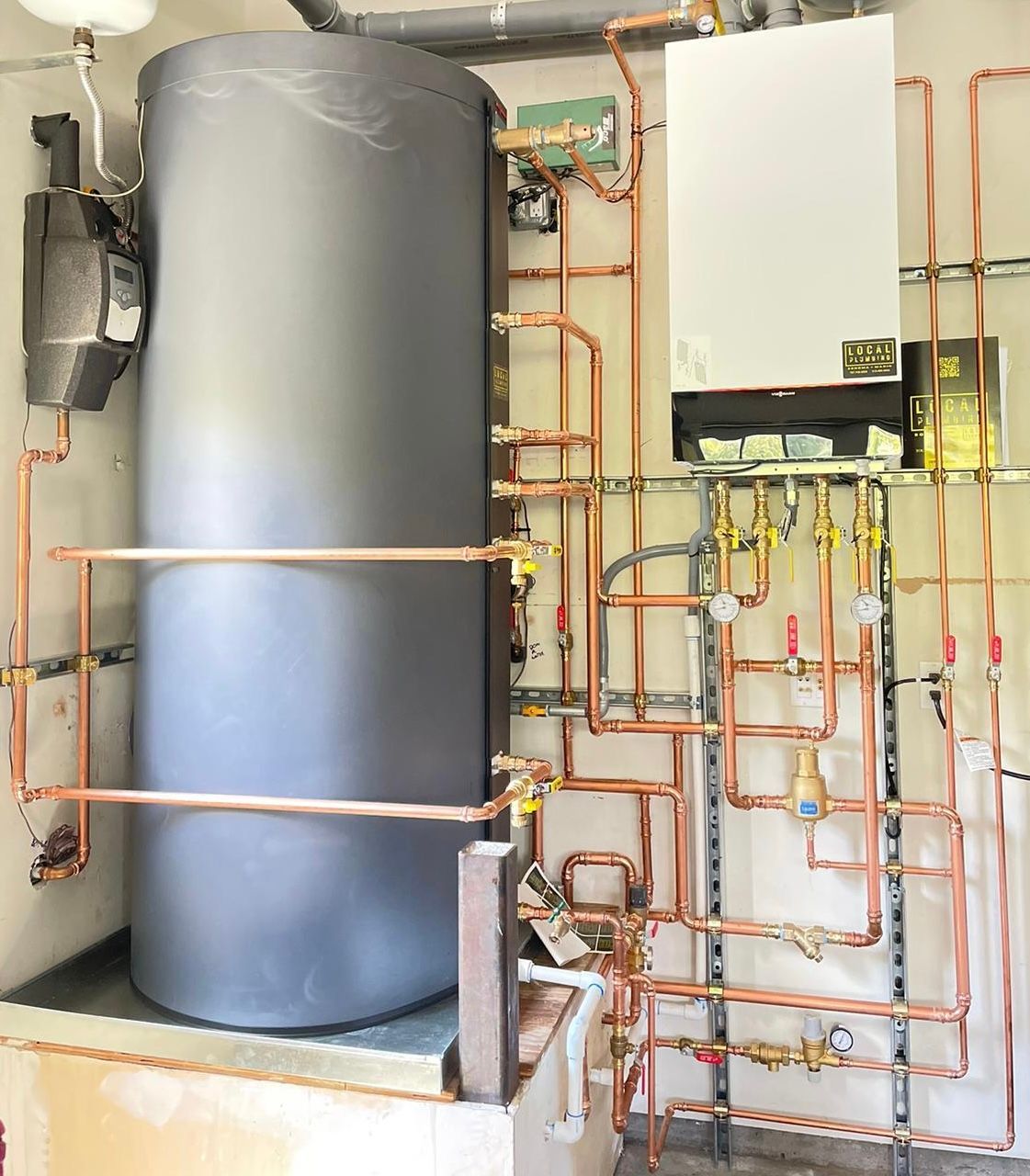
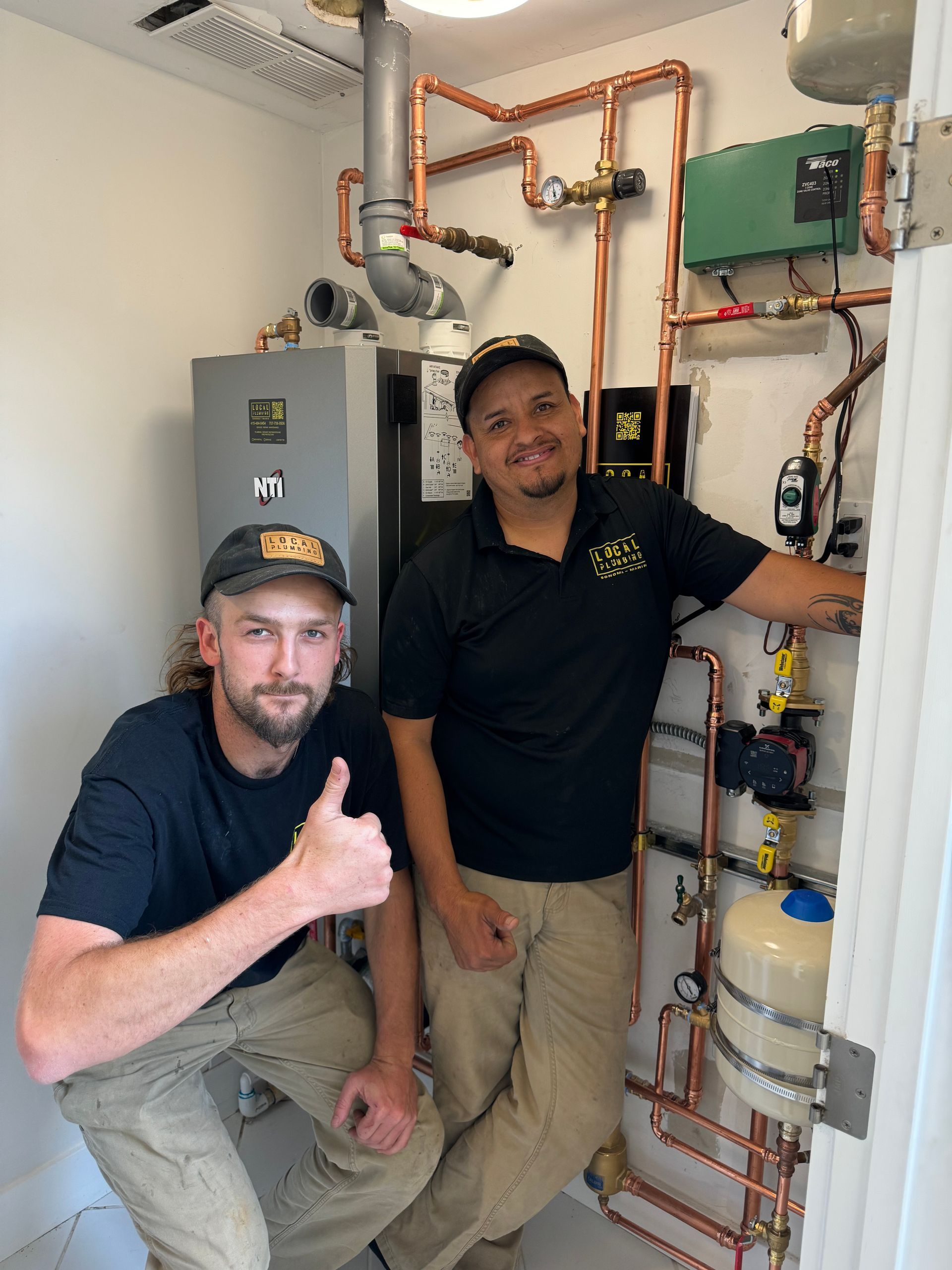
Wall-hung condensing boiler and indirect water heater tank with copper piping installed by Local Plumbing

Glen Ellen nights drop fast once October arrives, and the first cold morning is when a lot of boilers show their problems. If your radiant floors are slow to warm, your boiler keeps locking out, or your hot water has gone lukewarm, call or text Local Plumbing at (415) 234-0370 and we'll get it sorted before the heating season really starts.

We've been out in Glen Ellen and around Sonoma Valley a lot over the past couple of weeks. The calls look familiar: a fill valve that stopped keeping the system at pressure, a boiler that heats the house but won't make domestic hot water. Here's what those symptoms usually mean, and what's worth doing now.

Why Glen Ellen Boilers Have Their Own Quirks

Heating in Glen Ellen isn't one-size-fits-all. Within a few miles you'll find:

  • Rebuilt homes after the 2017 fires with newer high-efficiency condensing boilers, radiant slabs, and sometimes a combination of radiant floors and an indirect water heater. The equipment is newer, but many of these systems are now 6–9 years old and hitting their first round of wear parts.
  • Older ranch homes and cabins along Arnold Drive, off Warm Springs Road, and up toward Sonoma Mountain Road, some with cast-iron boilers and baseboard or retrofitted radiant zones.
  • Estate and vineyard properties with long pipe runs, multiple buildings, and several zones.
  • Well water on many properties outside town. Hard or mineral-heavy fill water shortens the life of fill valves, heat exchangers, and plate exchangers on combi boilers.

Big daily temperature swings in the valley also mean your boiler cycles more often in the fall and spring than a similar system near the coast.

The Fill Valve: Small Part, Big Symptoms

Every closed hydronic system has an automatic fill valve (a pressure-reducing valve) that keeps the loop topped up. When it fails, you'll see one of two things:

It stops feeding. Pressure slowly drops as tiny amounts of air or water leave the system. Once the gauge falls below about 12 PSI, many modern boilers lock out on low pressure, and upper floors or the farthest zones go cold first.

It over-feeds. Pressure creeps up until the relief valve starts dripping or discharging. That's a warning sign, not something to ignore. It can also point to a failed expansion tank.

Mineral buildup from well water is a common reason fill valves stick. Replacing the valve is a routine repair, but we always check the expansion tank and relief valve at the same visit. A failed fill valve is often a symptom of a bigger pressure problem.

"The Heat Works, but There's No Hot Water"

Many Glen Ellen homes use one boiler for both radiant heat and domestic hot water, either as a combi boiler (like a Navien NCB) or a boiler feeding an indirect tank. When hot water stops but the heat still works, the usual causes are:

  • A failed or stuck three-way diverter valve or zone valve that sends heat to the floors but never to the tank
  • A scaled plate heat exchanger on a combi boiler, especially on well water
  • A bad tank sensor or aquastat on an indirect water heater
  • A failed circulator on the indirect loop

These are usually repairable. An 8-year-old boiler with a hot water problem is rarely a replacement candidate on that symptom alone.

Warning Signs to Watch for This Fall

Call us if you notice any of these:

  • Pressure gauge below 12 PSI, or relief valve dripping
  • Kettling, banging, or gurgling from the boiler or in the floors
  • Radiant zones that take all day to warm, or one zone that never does
  • Error codes or repeated lockouts on Navien, NTI, HTP, Lochinvar, or Viessmann boilers
  • Water at the base of the boiler or around the condensate line
  • Hot water that runs out quickly or never gets hot

Repair or Replace?

We'll give you a straight answer. For most Glen Ellen systems we see, repair and maintenance make sense: fill valves, expansion tanks, circulators, sensors, and a proper cleaning keep a well-installed boiler running for many years.

Replacement starts making sense when:

  • The heat exchanger is cracked or leaking
  • Parts are discontinued (Triangle Tube owners, read our post on the Triangle Tube shutdown)
  • The boiler is 15–20+ years old and needs repeated repairs
  • The system was badly designed from the start and never heated evenly

If you're weighing it up, we'll show you what we found and let you decide.

What Our Boiler Service Includes

Every tune-up and repair visit includes:

  • Combustion analysis to set the gas-to-air ratio correctly
  • Heat exchanger and burner inspection and cleaning
  • Condensate trap and neutralizer cleaning
  • Expansion tank, fill valve, and relief valve checks
  • Circulator, zone valve, and control checks
  • A radiant manifold and system pressure check, including glycol where it's used

We're hydronic specialists, not just general plumbers. Our team trains at our warehouse and training facility in San Rafael, and we service Sonoma Valley regularly. See our boiler repair and radiant heating repair pages for more.

Glen Ellen Boiler FAQs

Why does my boiler pressure keep dropping?

Usually a failing automatic fill valve, a small leak somewhere in the loop, or an air vent that's letting water out. A slow drop over days or weeks is worth diagnosing before it turns into a lockout on a cold night.

Is it normal for my relief valve to drip?

No. A dripping relief valve usually means system pressure is too high, often from a failed expansion tank or an over-feeding fill valve. Get it checked.

How often should a boiler in Glen Ellen be serviced?

Once a year, ideally in early fall before heavy use. High-efficiency condensing boilers need annual cleaning, and most manufacturers require documented maintenance for warranty.

Does well water affect my boiler?

It can. Hard or mineral-heavy water scales fill valves and the domestic hot water side of combi boilers faster. We'll check for buildup during service and tell you if water treatment is worth considering.

Serving Glen Ellen and All of Sonoma Valley

Local Plumbing services boilers and radiant heat throughout Glen Ellen, Kenwood, Sonoma, Boyes Hot Springs, and the rest of Sonoma Valley, plus Marin and Napa. If your system needs a tune-up or isn't keeping up, call or text (415) 234-0370 or contact us online to schedule.
By Conor Crawford • September 24, 2026
Radiant Heat Repair in Marin & Sonoma County: What Homeowners Should Know
Hand connecting a flexible hose to a wall-mounted tankless gas water heater.
August 5, 2026
Compare tank, tankless & heat pump water heater options for your Tiburon, CA, home. Call (415) 234-0370 for a free quote before the 2027 deadline.
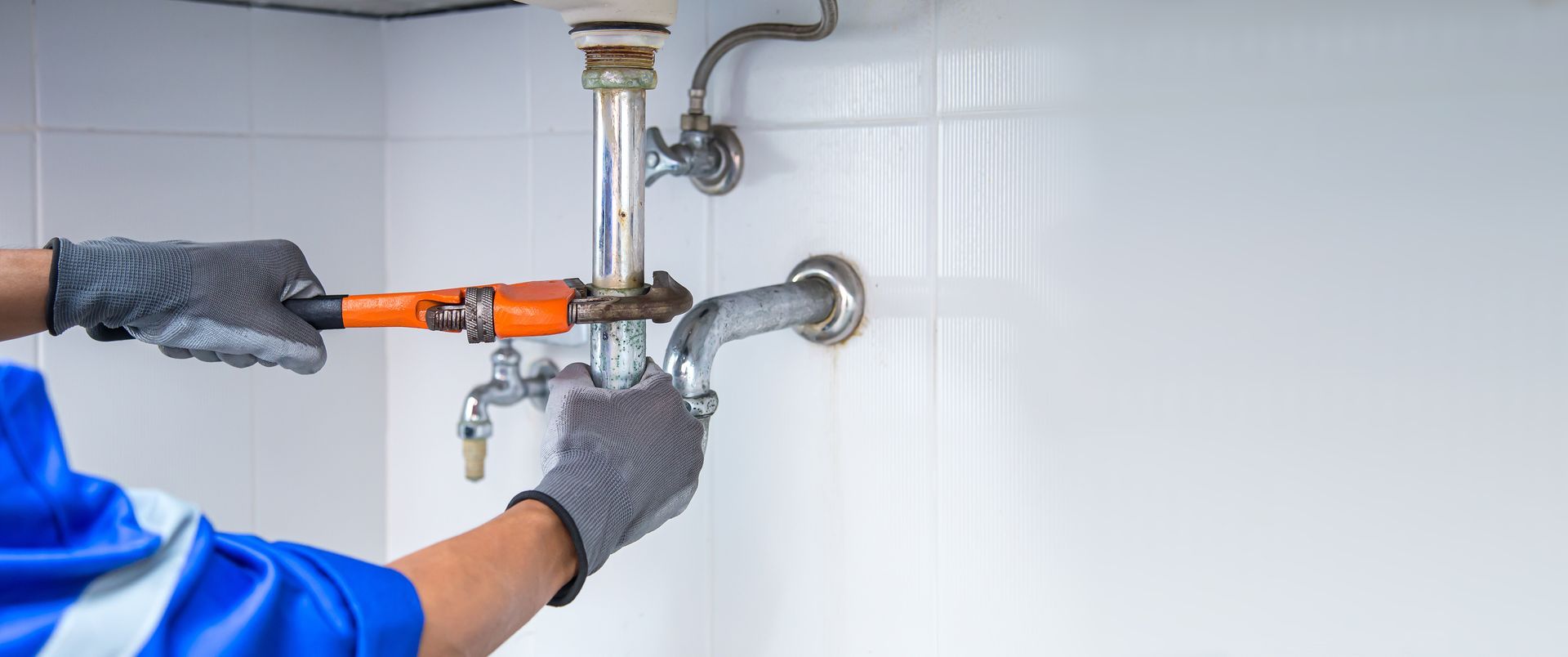
A plumber in a blue uniform and gray gloves uses an orange pipe wrench to tighten a chrome sink
July 6, 2026
Need plumbing services in San Rafael, CA? Local Plumbing is a licensed C-36 contractor with 300+ 5-star reviews. Get upfront pricing. Call today.
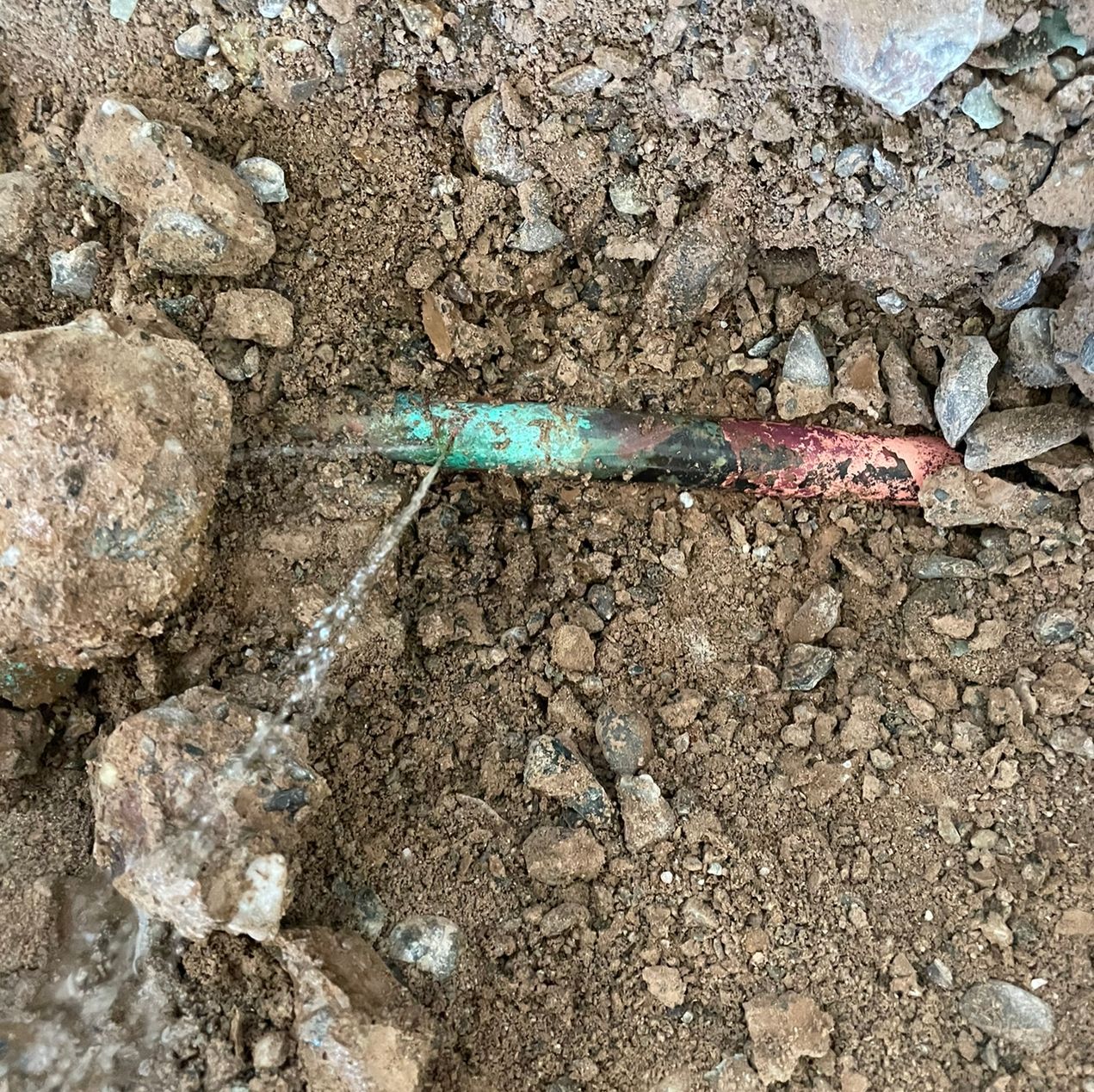
underground copper piping showing an obvious failure and water leaking from it
By Conor Crawford • June 29, 2026
A sudden high water bill often means a hidden plumbing leak. Learn the common causes and how Local Plumbing finds hidden water leaks fast.
Plumber in corner of garage area locating the water shut off
By Conor Crawford • June 29, 2026
Learn where your main water shutoff valve is located, when to use it and why every Marin homeowner should know how to stop a plumbing emergency.
By Conor Crawford • June 17, 2026
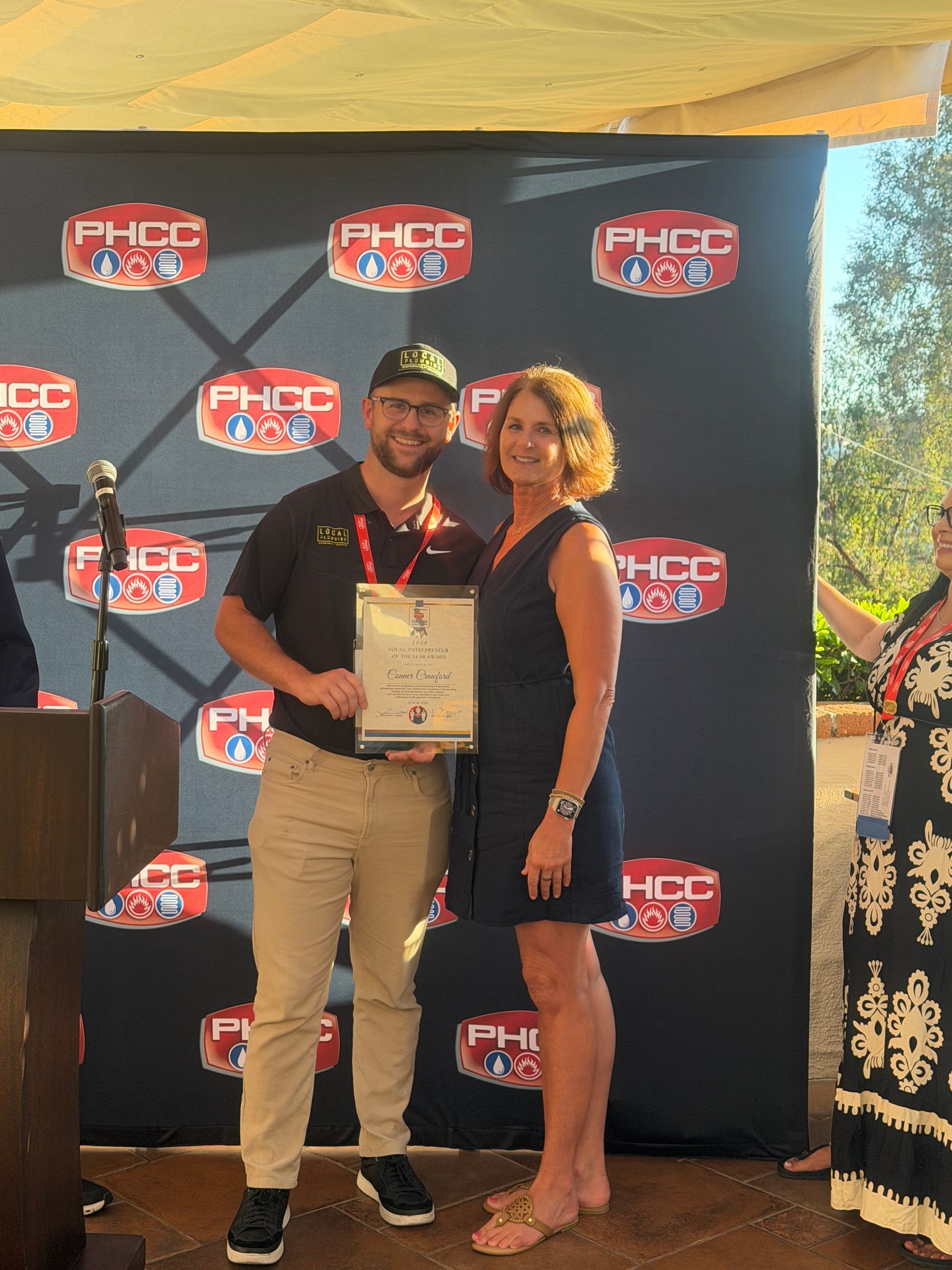
A Proud Moment for Local Plumbing
A plumber is kneeling on a wet floor searching for a plumbing leak.
By Admin • May 14, 2026
Discover how Local Plumbing detects hidden plumbing leaks in San Rafael, CA, before expensive damage hits. Click here for expert insight and savings!
Close-up of a metal plumbing fitting being tightened with a wrench.
May 14, 2026
Discover essential seasonal plumbing tips for your home in Kentfield, CA, with Local Plumbing. Click here to read more.
A wrench tightening a metal pipe fitting wrapped with thread seal tape.
April 17, 2026
Discover hidden plumbing issues in older San Rafael, CA homes with Local Plumbing. Call 628-237-7654 or click here to learn more about our services.
By Conor Crawford • March 19, 2026
If you’ve heard that gas water heaters are being banned in California in 2027, you’re not alone. At Local Plumbing, we’re already getting weekly calls from homeowners in San Rafael, Mill Valley, Novato, Tiburon, and across Marin County asking: “Do I need to replace my gas water heater right now?” “Will I be forced to go electric?” “What happens if mine breaks after 2027?” Let’s break it down clearly — no fluff, no politics — just real-world guidance from a local plumbing company that installs these systems every day. Is California Banning Gas Water Heaters in 2027? Short answer: Yes… but not exactly how people think. Starting January 1, 2027, new regulations in the Bay Area will require: All newly installed residential water heaters to meet ultra-low (zero) NOx emissions standards In reality, this means: Traditional gas water heaters will no longer be allowed in most replacement situations Electric systems — especially heat pump water heaters — will become the standard The Biggest Misconception (Important) Let’s clear this up right away: You do NOT have to remove your existing gas water heater There is: No forced removal No retroactive ban No inspections coming to your house You can keep your current system running as long as it works. What Happens When Your Water Heater Fails After 2027? This is where things change. If your gas water heater fails after 2027, you will likely: NOT be allowed to replace it with another gas unit Be required to install: A heat pump water heater (most common) Or another approved electric system This is why people are calling it a “ban” — because the change happens at replacement, not before. How This Impacts Marin County Homes Marin homes present some unique challenges: 1. Electrical capacity issues Many homes in: San Anselmo Fairfax Mill Valley …have older panels that may not support a heat pump water heater without upgrades. 2. Tight install spaces Closets Garages with low clearance Under-stair installs Heat pump units are: Larger Require airflow Need condensate drainage 3. Higher upfront costs (but rebates help) Typical comparison: Type Installed Cost Gas tank (today) $3,500–$6,500 Heat pump water heater $6,500–$12,000 BUT: Marin County homeowners may qualify for $2,000–$5,000+ in rebates Lower operating costs over time What About Tankless Water Heaters? This is a big question we get. Gas tankless water heaters (Navien, Rinnai, etc.) are also affected After 2027: New gas tankless installs will likely not be permitted (but not confirmed) Electric tankless is usually not viable in Marin homes due to electrical demand This makes heat pump systems the primary replacement path Timeline: What’s Coming Next 2027 → Residential water heaters affected 2029 → Gas furnaces likely impacted Early 2030s → Broader electrification across homes This is part of California’s long-term push toward building electrification. Should You Replace Your Water Heater Before 2027? This depends on your situation. Consider replacing early if: Your unit is 8–12+ years old It’s showing signs of failure You want a simple like-for-like gas swap Your home is not ready electrically Wait if: Your system is newer and reliable You’re planning a remodel You want to take advantage of: Rebates Newer heat pump technology Local Plumbing’s Recommendation (Real-World Advice) At Local Plumbing, here’s how we’re advising Marin homeowners: Don’t panic — but do plan The worst-case scenario is: 🚨Your water heater fails unexpectedly in 2027 🚨You’re forced into a rushed, expensive electric upgrade Instead, we recommend: ✔ Evaluate your current system lifespan ✔ Assess your electrical panel capacity ✔ Create a planned replacement strategy Why This Matters for Marin Homeowners This isn’t just a regulation — it’s a shift in how homes are built and serviced. And in Marin County specifically: Older housing stock Higher installation costs Strict permitting This transition needs to be handled correctly the first time FAQ: Gas Water Heater Ban (Marin County) Can I still repair my gas water heater after 2027? Yes — repairs are still allowed. Can I install a used or existing gas unit? No — new installations must meet emissions standards. Are there exemptions? Possibly — for: Electrical limitations Certain property types Hardship cases (These are still evolving) Are heat pump water heaters worth it? Yes — when installed correctly. But they must be: Properly sized Installed in the right location Matched with your home’s electrical system Final Thoughts 👉 Gas water heaters aren’t being “ripped out” in 2027 👉 But they are being phased out at replacement For Marin homeowners, this means: ⚠️ Planning ahead is critical 💰 Costs and logistics will change 🔌 Electrical readiness matters more than ever Need Help Planning Your Upgrade? If you’re in: San Rafael, Mill Valley, Novato, Tiburon, Larkspur, Fairfax, or anywhere in Marin County Local Plumbing can help you: Evaluate your current water heater Plan for 2027 compliance Install gas (while still allowed) or heat pump systems Maximize available rebates Call or text Local Plumbing today Local Plumbing is your local Marin plumber