A Guide to a Fire Sprinkler System Installation
A Guide to a Fire Sprinkler System Installation
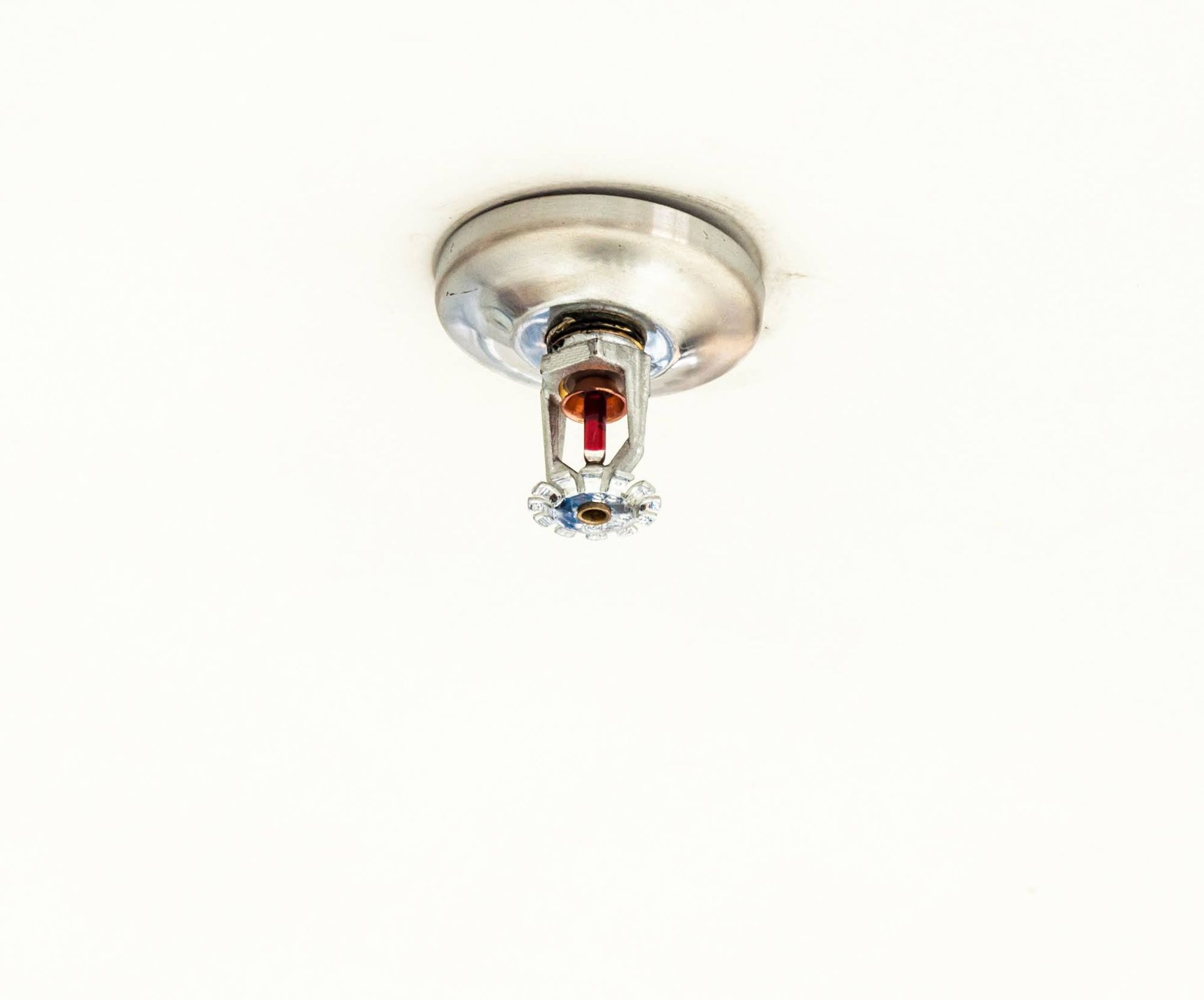
Fire safety is a top priority in commercial buildings, and a fire sprinkler system is one of the most effective ways to ensure protection. Whether you’re upgrading an existing system or installing one for a brand-new facility, understanding the process of fire sprinkler installation services will help you efficiently plan for this essential safety feature.
Evaluate Your Building’s Requirements
Before installing a fire sprinkler system, evaluate your building’s unique needs. The size of your facility, its layout, and the materials stored inside all influence the type of fire sprinkler system that will work best. You may need to consult with licensed fire protection professionals or local plumbing services to determine specific requirements mandated by local building codes and fire safety regulations.
Choose the Right Fire Sprinkler System
There are several types of fire sprinkler systems available, and choosing the right one for your building is critical. Wet pipe systems are the most common and cost-effective option, where water is stored in the pipes and immediately released during a fire. Alternatively, dry pipe systems are ideal for facilities in colder climates, as they prevent water from freezing in the pipes. Other options include pre-action systems, typically used in spaces like data centers, and deluge systems, which are suited for areas with high fire risks. The choice will depend on your building’s purposes and specific safety needs.
Hire a Professional Fire Sprinkler Installation Company
Working with professionals ensures that your fire sprinkler system is installed properly and complies with all safety codes. During this stage, licensed plumbers, working as part of the fire sprinkler installation team, will play a significant role in connecting the system to your building’s water supply. These experts will ensure that the piping and plumbing services are done efficiently to prevent leaks or other potential issues.
It’s essential to choose a company with a proven track record of expertise, as fire sprinkler systems have no room for error. Look for professionals who specialize in fire sprinkler installation services and are familiar with local regulations.
Obtain Necessary Permits
Installation of a fire sprinkler system typically requires permits. Before any work begins, you’ll need to apply for and obtain these through your local government or fire department. This step ensures that your installation complies with current fire safety and building codes. Missing this step can lead to fines and costly delays, so it’s important to include it in your planning process.
Coordinate With Building Inspections
Once the system is installed, it will need to pass a building inspection before it becomes fully operational. Inspectors will check the sprinkler heads, control valves, water supply connections, and alarms to ensure the system meets safety standards. They will also test its functionality to confirm it activates as intended during a fire. Be prepared to make minor adjustments after the inspection to address any areas of concern highlighted by the inspector.
Test and Maintain Your Fire Sprinkler System
Once the fire sprinkler system is active, routine testing and maintenance are crucial to its long-term reliability. Most manufacturers recommend testing the system annually, although more frequent checks may be necessary depending on your building's usage and local regulations. Collaborate with plumbing services or fire protection specialists to conduct inspections, ensure proper water flow, and replace any faulty components. Maintaining your fire sprinkler system is key to ensuring it performs when needed.
Integrating With Other Safety Systems
Modern fire sprinkler systems can often integrate with other safety mechanisms in your building, such as fire alarms or smoke detection systems. This integration ensures a coordinated response in the event of a fire, providing maximum protection for occupants. Discuss these options with your installation service provider to elevate your fire preparedness further.
Plan for Future Upgrades
Building codes and safety standards can evolve, so it’s important to stay current with developments that could impact your fire sprinkler system. Periodic upgrades may be necessary to maintain compliance, and planning for these updates early can save significant costs later. Professional plumbing services and fire safety specialists can be valuable resources in keeping your system up to date.
Installing a fire sprinkler system in your commercial building is a crucial investment in safety and property protection. With expert guidance, compliance with regulations, and strategic maintenance, you gain peace of mind knowing your building is prepared for emergencies. Engage experienced fire sprinkler installation services and professional plumbing services to ensure a smooth process from start to finish. Taking these proactive steps now can safeguard lives and assets in the future.
Contact us at Local Plumbing to learn more about the process of fire sprinkler installation for your commercial building. Local Plumbing.